
UK Medical Cannabis Law
What Patients Need to Know
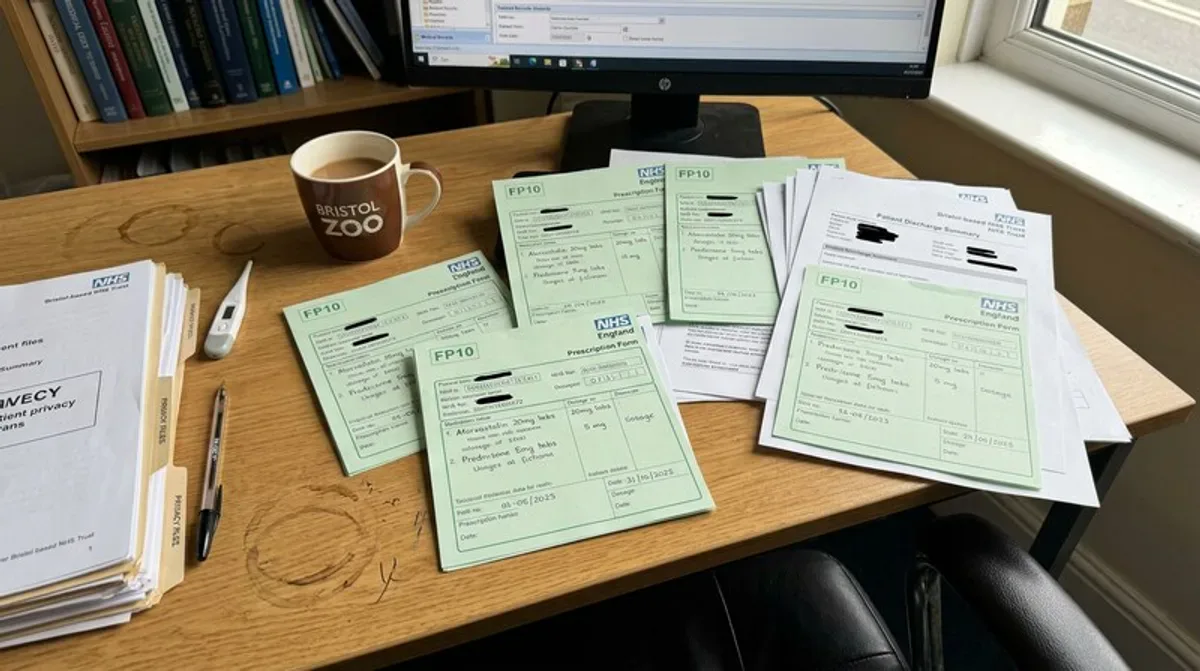
A clear, plain-English guide to the legal framework governing medical cannabis in the United Kingdom — covering prescribing rights, licensed products, travel, driving and the workplace.
Legal Status Since 2018
Medical cannabis became legal in the United Kingdom on 1 November 2018, following an amendment to the Misuse of Drugs Regulations 2001. The Home Secretary at the time — Sajid Javid — announced the change after high-profile cases involving children with severe epilepsy highlighted the gap between scientific evidence and UK law.
The change reclassified cannabis-based products for medicinal use (CBPMs) from Schedule 1 (no recognised medical use, cannot be prescribed) to Schedule 2 (recognised medical use, can be prescribed by an authorised clinician). Cannabis itself remains a Class B controlled drug under the Misuse of Drugs Act 1971 — the scheduling change only affects medicinal formulations.
Reclassification to Schedule 2 means specialist doctors can legally prescribe cannabis-based medicines in the UK. Recreational use and possession of cannabis outside of a valid prescription remains a criminal offence.
The regulatory framework is administered jointly by the Home Office (controlled drug licensing), the Medicines and Healthcare products Regulatory Agency (MHRA) (product authorisation), and NHS England guidance on clinical use. Scotland, Wales and Northern Ireland operate under the same national legislative framework.
Who Can Prescribe Medical Cannabis
Under current UK law, only specialist consultant physicians on the General Medical Council (GMC) Specialist Register are permitted to initiate a prescription for cannabis-based products for medicinal use. General practitioners (GPs) currently cannot start a new CBPM prescription, though some may continue an existing one started by a specialist.
Prescribing is guided by the patient's specific condition. Common areas where specialists may prescribe include:
- Chronic pain (neurology, pain management, rheumatology)
- Drug-resistant epilepsy (paediatric or adult neurology)
- Nausea associated with chemotherapy (oncology)
- Spasticity related to multiple sclerosis (neurology)
- PTSD and certain anxiety conditions (psychiatry)
Most patients access treatment through private specialist clinics. NHS prescriptions for medical cannabis remain extremely limited in practice — the NHS typically only funds a very small number of specific licensed products (such as Epidyolex for severe childhood epilepsy). The majority of UK medical cannabis patients self-fund through private clinics.
Always verify that any clinic you use employs GMC-registered specialist consultants. Ask to see their registration details. A valid prescription must come from a clinician on the GMC Specialist Register.
Which Products Are Legal
Not all cannabis-containing products sold in the UK are medical cannabis. There are three distinct categories patients must understand:
1. Licensed Medicinal Products (fully legal on prescription)
These have received a full MHRA marketing authorisation and have been through clinical trials. Currently licensed products in the UK include Epidyolex (cannabidiol oral solution for epilepsy), Sativex (nabiximols spray for MS spasticity) and Nabilone (synthetic cannabinoid for chemotherapy nausea). These can be prescribed by GPs as well as specialists in some cases.
2. Unlicensed Cannabis-Based Products for Medicinal Use (CBPMs)
These are cannabis products imported or manufactured for medical use but without a full MHRA licence. They can only be prescribed by a specialist consultant under what is known as a Section 19 or "specials" route. This covers most flower, oil and vape products available through UK private medical cannabis clinics. Epidyolex-style licensed products aside, the majority of UK medical cannabis is dispensed via this unlicensed-but-regulated route.
3. CBD Products (food supplements — NOT medical cannabis)
CBD oils, gummies and capsules sold in high street shops or online are classed as food supplements. They are not subject to MHRA oversight and are not cannabis-based medicines. They cannot be prescribed, cannot be claimed to treat medical conditions, and should not be confused with regulated medical cannabis products.
When comparing products on LeafMe, all listed items are CBPM-category products dispensed via licensed UK pharmacies on specialist prescription only.
Travelling with Medical Cannabis in the UK
If you hold a valid prescription, carrying your medical cannabis within the United Kingdom is lawful, provided you comply with the following practical guidelines:
- Always carry your original prescription or a letter from your prescribing clinician
- Keep medication in original, labelled pharmacy packaging
- Only carry the quantity consistent with your current prescription — do not carry more than a reasonable personal supply
- If stopped by police, remain calm and present your prescription documentation
- Be aware that cannabis in any form still has a distinctive smell; police officers may initially investigate before a prescription is produced
There is no formal "carry permit" required for domestic UK travel. However, having clear documentation on your person significantly reduces the risk of complications during any police interaction.
Ask your clinic or pharmacy for a covering letter that details your name, the medication, the prescribed dose and the prescribing clinician's GMC number. This greatly assists if your medication is questioned by authorities.
International Travel with a UK Prescription
Travelling abroad with medical cannabis is legally complex and potentially very risky. A UK prescription offers no legal protection in the vast majority of countries, including many EU nations where cannabis remains fully illegal in any form.
Different countries apply vastly different rules. A summary of broad categories:
- Countries that may permit entry with a documented prescription: A small number of European countries (such as the Netherlands and Germany) have their own medical cannabis programmes and may accept documented medicinal use — but rules change and you must verify with the destination country's embassy before travel.
- Countries where any cannabis possession is a serious criminal offence: The majority of Asian, Middle Eastern, African and Caribbean countries fall into this category. A UK prescription carries no weight. Penalties can be severe, including imprisonment.
- Countries with zero-tolerance airport policies: Even if the destination country has a medical programme, the country of transit may not. Stop-overs through certain jurisdictions carry significant risk.
Do not assume your UK prescription protects you internationally. Always research the specific laws of your destination — and any transit countries — well in advance. Many patients choose to pause their medical cannabis treatment during international travel and discuss a bridging plan with their clinician.
The UK Home Office does not issue individual export licences for patients carrying personal supplies abroad. If you need authorisation to travel with controlled drugs, consult the Home Office drugs licensing guidance and contact the destination country's embassy directly.
Workplace Drug Testing and Medical Cannabis
Holding a valid medical cannabis prescription does not automatically exempt you from your employer's drug testing policy. THC metabolites can remain detectable in urine for several days to several weeks depending on the product, dose, frequency of use and individual metabolism — well beyond any period of impairment.
The key legal considerations are:
- Equality Act 2010: Patients using prescribed medication for a qualifying disability may have grounds to request a reasonable adjustment to drug testing policies. Employers may be required to consider the impact of a disability-related medication before taking disciplinary action.
- Disclosure obligations: You are not always legally required to disclose medical information to employers, but if your role involves safety-critical duties (transport, heavy machinery, healthcare) there may be contractual or regulatory obligations to disclose relevant prescriptions.
- Safety-critical roles: Some industries — aviation, rail, nuclear, offshore — have their own regulatory drug testing frameworks that operate independently of general employment law. Medical cannabis prescriptions are likely incompatible with roles in these sectors.
If your employer drug-tests and you hold a medical cannabis prescription, inform HR or occupational health before any test takes place. Do not wait until a positive result. Seek advice from a solicitor specialising in employment law if your employer takes action against you.
There is currently no standardised UK guidance requiring employers to exempt medical cannabis prescriptions from drug testing. Practices vary significantly across sectors and individual employers.
Driving with Medical Cannabis
UK driving law takes a zero-tolerance approach to THC. Under the Drug Driving (Specified Limits) (England and Wales) Regulations 2014, the legal limit for delta-9-tetrahydrocannabinol (THC) in blood is 2 micrograms per litre (2 µg/L). Scotland and Northern Ireland operate under equivalent legislation.
This limit is set at a level intended to catch only those who have actually consumed cannabis recently, but patients using prescribed THC-containing products must be aware of the following:
- THC can remain in the bloodstream at detectable levels for hours after use — and in some cases longer depending on dose and product
- Unlike the drink-driving limit, having a prescription is not a statutory defence to a drug-driving charge
- The DVLA advises that you must inform them if you have a condition that may affect your fitness to drive and if your medication impairs your driving
- Pure CBD products without THC do not trigger the drug-driving limit, but patients should be aware if their product contains trace amounts of THC
You must not drive if your medical cannabis impairs your ability to drive safely, even with a valid prescription. Exceeding the legal THC blood limit (2 µg/L) whilst driving is a criminal offence carrying a minimum 12-month driving ban, a fine of up to £5,000 and a criminal record. Always seek specific guidance from your prescribing clinician before driving on THC-containing medication.
DVLA guidance states patients should declare any condition or medication that may affect driving ability. Many clinics now provide written guidance on whether their prescribed products are compatible with driving — ask your clinician directly.
For more information, see the Patient Journey guide or browse the full Guides section.
Frequently Asked Questions
Is medical cannabis legal in the UK?
Can my GP prescribe medical cannabis?
Is CBD oil the same as medical cannabis?
Can I drive if I take prescribed medical cannabis?
Can I travel abroad with my UK medical cannabis prescription?
What should I do if my employer requires a drug test?
Medical Disclaimer: The information on this page is for general informational purposes only and does not constitute legal or medical advice. Laws and regulations around medical cannabis are subject to change. Always consult your prescribing specialist clinician for medical guidance, and seek qualified legal advice for any legal questions specific to your situation. LeafMe is an independent price comparison service. Full medical disclaimer · Patient Journey · All Guides · Find a Clinic