
Medical Cannabis for ADHD — UK Prescription Guide & Evidence

Evidence-based information for UK patients considering cannabis for ADHD and attention disorders
Medical information: Medical cannabis requires a prescription from a registered UK specialist. This page is for information only and does not constitute medical advice. Always consult a qualified clinician before starting or changing any treatment.
Why ADHD Patients Are Turning to Medical Cannabis

ADHD is now one of the top three reasons patients seek a medical cannabis prescription in the UK. Thousands of adults — many of whom have struggled with the side-effect profiles of traditional stimulant medications — are exploring cannabis as an alternative or adjunct therapy. Understanding why requires looking at the endocannabinoid system.
- ADHD is characterised by dysregulation of dopamine and noradrenaline signalling in the prefrontal cortex — the brain region governing attention, impulse control and working memory.
- CB1 receptors are densely expressed in the prefrontal cortex. THC acts on these receptors and can modulate dopamine release, which is the same pathway targeted by stimulant medications.
- CBD has anxiolytic and anti-inflammatory properties that may address the anxiety and hyperarousal frequently comorbid with ADHD, particularly in adults.
- A 2020 observational study published in European Neuropsychopharmacology found that adults with ADHD self-reporting cannabis use showed improvements in symptoms and quality of life scores.
- The UK private cannabis sector has seen ADHD rise from a niche indication to a mainstream one; several major clinics report it as their single largest diagnostic category.
Is There Evidence? The Current Research Landscape
The evidence base for cannabis in ADHD is emerging but not yet conclusive. Cannabis is not a NICE-approved or first-line treatment for ADHD. Here is an honest summary of where the science currently stands.
| Study / Evidence Type | Finding | Strength |
|---|---|---|
| Cooper et al. (2017) — European Neuropsychopharmacology | Adults with ADHD self-reported improvements in hyperactivity and impulsivity with cannabis; cognitive performance on specific tests improved at lower THC doses | Observational; small sample |
| Mansell et al. (2022) — UK clinic data | Significant reductions in ADHD symptom scores (ASRS) reported in patients after 3 months of prescribed cannabis; majority of patients reduced stimulant dose | Observational; no control group |
| CB1 receptor distribution (preclinical) | CB1 receptors concentrated in prefrontal cortex — the primary site of ADHD-related dysfunction — providing a plausible neurobiological mechanism | Preclinical; mechanistic only |
| NICE guidance (2019, updated 2023) | NICE does not recommend cannabis for ADHD; cites insufficient RCT evidence. Randomised controlled trials are ongoing. | Regulatory position |
| Loflin et al. (2014) — PLOS ONE | Adults with ADHD reported significantly higher rates of cannabis self-medication vs. the general population, with subjective symptom relief cited as primary motivation | Survey; self-reported |
The consensus among UK prescribing specialists is that cannabis represents a valid option for ADHD patients who have not responded to, or cannot tolerate, conventional medications — but it should be approached as part of a broader management plan, not a standalone cure.
Strains with Focus & Calm Effects
These strains have reported Focus, Calm or Clear effects most relevant to ADHD symptom management. Balanced hybrid and moderate-THC varieties are generally preferred. Click any strain for full details.
Charlotte Web
Ringo Gift
ACDC
3 products available
Harlequin
1 product available
Hash Plant
3 products available
Hindu Kush
1 product available
Dutch Treat
1 product available
Jack Herer
2 products available
Eligibility — What Do UK Clinics Require?
UK private cannabis clinics follow a clear eligibility framework for ADHD. Meeting these criteria significantly increases your chances of being approved for a prescription at your initial consultation.
Prior treatment history
You must have tried and failed to respond adequately to at least two licensed ADHD medications. Common examples include:
- Methylphenidate (Ritalin, Concerta, Equasym)
- Lisdexamfetamine (Vyvanse, Elvanse)
- Dexamfetamine (Dexedrine)
- Atomoxetine (Strattera)
- Guanfacine (Intuniv)
Diagnosis requirements
A formal ADHD diagnosis is required. Both NHS and private ADHD diagnoses are accepted. You will typically need to provide:
- Diagnostic report or letter from a psychiatrist or specialist
- Summary of medications tried (repeat prescription history)
- Completed ADHD symptom rating scale (e.g. ASRS)
- GP summary letter if available
- Age 18 or over at time of consultation
Many patients obtain an ADHD diagnosis privately before seeking a cannabis prescription. Waiting lists for NHS adult ADHD assessment currently exceed 3 years in most regions, making the private route the most practical option for most adults seeking timely diagnosis and treatment.
Balanced THC:CBD Products Available
Licensed UK medical cannabis products with a balanced THC:CBD ratio — typically the most appropriate starting point for ADHD treatment. THC 5–15%, CBD ≥3%. Prices shown are per gram where available.
Tilray 10 Balanced Flower
10.0% CBD · 10.0% THC
Khiron Clarity Capsules
5.0% CBD · 5.0% THC
Tilray T10 Indica Oil 40ml
5.0% CBD · 10.0% THC
Aurora T10 C10 Balanced Oil
10.0% CBD · 10.0% THC
Bedrocan 7 Bediol
8.0% CBD · 6.3% THC
Tilray 10:10 Oil
10.0% CBD · 10.0% THC
How to Get a Cannabis Prescription for ADHD
The process is entirely private and typically completed within 2–3 weeks. Most consultations are conducted online, making it accessible from anywhere in the UK.
Gather your medical evidence
Collect your ADHD diagnosis letter, a list of all medications you have tried, and any GP or psychiatry correspondence. Clinics will review this at your consultation. Private ADHD diagnoses are fully accepted alongside NHS ones.
Book with a licensed clinic
Choose a GMC-registered medical cannabis clinic with ADHD experience. Most offer online video consultations at a flat fee of £150–200. Browse and compare UK cannabis clinics on LeafMe.
Attend your consultation
A specialist (typically a psychiatrist or neurologist) will review your history, discuss your symptom profile and current medications, and determine whether a cannabis prescription is clinically appropriate for you. Bring notes on your ADHD symptoms and how existing medications have or have not helped.
Receive and titrate your prescription
If approved, your prescription is sent electronically to a licensed UK dispensary. Your specialist will give you a titration plan — typically starting at a low evening dose and gradually increasing. Follow-up appointments (usually monthly) monitor your response and adjust dosing as needed.
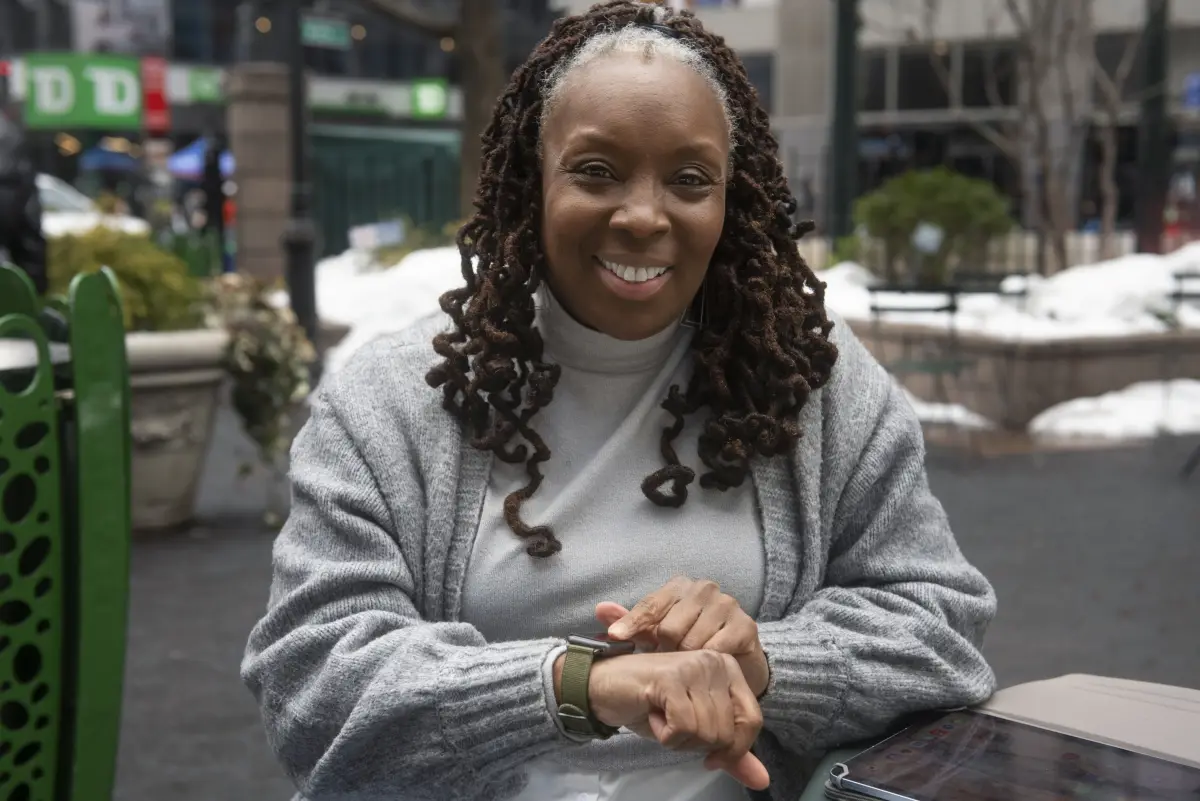
Life with Better Focus
Many UK adults with ADHD report significant quality-of-life improvements with an appropriately prescribed and titrated cannabis regimen.




Considerations and Warnings
Cannabis is not suitable for all ADHD patients. Your prescribing specialist will assess these factors carefully during your consultation.
Interaction with stimulant medications
THC and CBD can interact with methylphenidate and amphetamine-based ADHD medications. Cardiovascular effects (elevated heart rate and blood pressure) may be compounded. Always disclose all current medications. Many patients transition away from stimulants under clinical supervision.
Not suitable for under-18s
UK private cannabis clinics prescribe only to adults aged 18 and over. The developing adolescent brain is particularly sensitive to THC. Paediatric cases must be managed through the NHS by a specialist paediatric consultant.
Contraindicated in active psychosis
Cannabis is contraindicated for patients with a personal or family history of psychotic illness. ADHD and psychosis can co-occur; patients with psychotic symptoms should discuss this explicitly with their specialist before any prescription is considered.
Driving restrictions
UK law sets a strict zero-tolerance limit for THC in blood while driving (2 µg/L). A valid prescription does not provide a statutory defence against drug driving charges. See our full guide to cannabis and driving in the UK for more detail.